


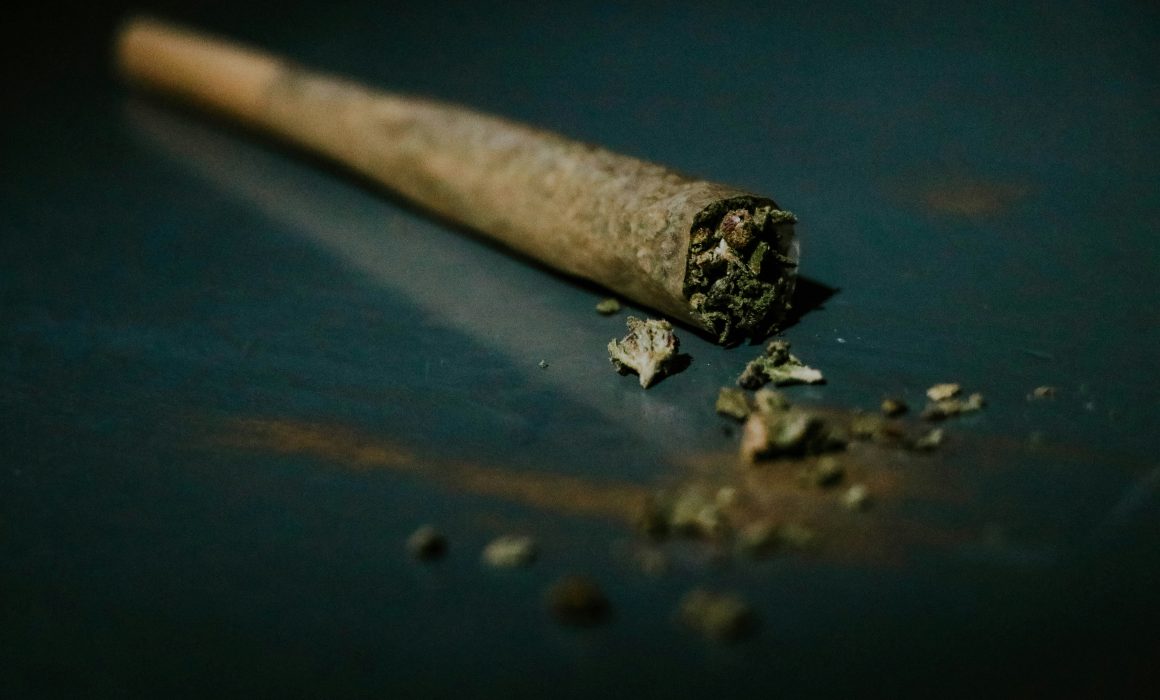
The history of cannabis in the Netherlands: from banned plant to global icon
For decades, the Netherlands has been known as one of Europe’s cannabis capitals. Tourists from all over the world visit Amsterdam for its famous coffeeshops, while many Dutch people regard cannabis as a relatively ordinary part of society.
Yet the story of cannabis in the Netherlands is far more complicated than it may seem. How did cannabis become an international symbol of Dutch tolerance? And what does the future hold for cannabis in the Netherlands?
In this article, we explore the history of cannabis in the Netherlands and look at how legislation, culture and changing attitudes have shaped the country’s cannabis landscape.
The first introduction to cannabis
Cannabis is far from a modern phenomenon. The plant has been used around the world for thousands of years for medicinal, industrial and recreational purposes. In the Netherlands, hemp was an important agricultural crop for centuries.
Long before cannabis became associated with weed and hash, industrial hemp was widely used to produce:
- rope and rigging;
- sails for ships;
- clothing and textiles;
- paper.
Hemp was particularly important during the Dutch Golden Age, when the Netherlands became a major maritime and trading power. Strong hemp ropes and other hemp products were essential to the country’s shipping industry.
When was cannabis banned?
During the first half of the twentieth century, attitudes towards cannabis began to change internationally. Influenced by international agreements and growing concerns about drugs, cannabis increasingly came to be treated as a controlled substance.
The Netherlands followed this international trend. In 1928, cannabis was added to the Dutch Opium Act, making its possession, production and trade illegal.
Cannabis use remained relatively limited for several decades. That began to change dramatically in the 1960s.
The 1960s: cannabis as a symbol of freedom
The rise of hippie culture brought about a major shift in attitudes towards cannabis. Young people were increasingly challenging traditional social norms and experimenting with music, art and mind-altering substances.
Cannabis became closely associated with freedom, counterculture and self-expression.
The Netherlands was no exception. Cannabis use grew rapidly, particularly in Amsterdam, where a vibrant alternative scene was emerging. Cannabis became an increasingly visible part of this new youth culture.
Authorities soon faced an important question: was a strict prohibition really the most effective way to deal with cannabis use? The debate that followed would eventually lead to one of the world’s most distinctive approaches to cannabis policy.
The birth of the Dutch tolerance policy
In 1976, the Netherlands introduced one of the most significant changes in its approach to cannabis.
The Opium Act was amended to distinguish between:
- hard drugs;
- soft drugs.
Cannabis was classified as a soft drug. The underlying idea was that cannabis users should be kept away from the criminal networks associated with the hard-drug market wherever possible.
This approach became known as the Dutch tolerance policy.
Cannabis itself remained illegal, but the sale of small quantities was tolerated under specific conditions. This created the legal and policy framework in which coffeeshops could operate.
The Dutch approach attracted considerable international attention and helped establish the Netherlands as a pioneer in cannabis policy.
The rise of coffeeshops
From the 1970s onwards, coffeeshops became an increasingly familiar sight across the Netherlands.
For consumers, the coffeeshop model offered a more controlled environment for purchasing cannabis, with clear rules and a degree of separation from the illegal hard-drug market.
Coffeeshops also became known for providing customers with information about their products and for operating under strict conditions.
For international visitors, they became an attraction in their own right. Amsterdam, in particular, developed a reputation as a global destination for cannabis tourism.
The cannabis supply chain dilemma
Despite the tolerance policy, an important contradiction remained.
Coffeeshops could legally sell cannabis under the tolerance rules, but for many years there was no legal way for them to purchase their stock. In other words, the sale at the front of the coffeeshop was tolerated, while the supply behind it remained part of the illegal market.
This became one of the biggest challenges facing the Dutch cannabis policy.
The situation raised ongoing concerns about organised crime, product quality, safety and the lack of control over the cannabis supply chain.

Medicinal cannabis gets an official role
Cannabis did not only become popular as a recreational substance. Over time, scientific research also explored its potential medical applications.
Cannabis and cannabis-based medicines have been investigated in relation to conditions and symptoms including:
- chronic pain;
- nausea and vomiting associated with chemotherapy;
- spasticity in people with multiple sclerosis;
- certain forms of epilepsy.
Today, medicinal cannabis has an established place within the Dutch healthcare system and can be made available under strict conditions through doctors and pharmacies.
This gave cannabis a recognised medical role alongside its recreational use.
The future of cannabis in the Netherlands
The cannabis landscape has continued to evolve in recent years.
An increasing number of countries are choosing to legalise or regulate cannabis, while the Netherlands is exploring new ways to bring greater control and transparency to its own cannabis supply chain.
One of the most significant developments is the Cannabis Experiment. Under the experiment, selected coffeeshops are permitted to sell cannabis produced by designated legal growers.
The aim is to investigate whether a regulated cannabis supply chain can lead to:
- better product quality;
- greater transparency;
- less involvement from organised crime;
- improved oversight of the cannabis market.
This could play an important role in determining how cannabis policy develops in the Netherlands in the years ahead.
The Netherlands remains a pioneer
Other countries have since introduced their own cannabis regulations, in some cases going considerably further than the Netherlands. Nevertheless, the country remains one of the most recognisable names in the global cannabis industry.
From the hemp fields of the Dutch Golden Age to the introduction of the tolerance policy and today’s experiments with regulated cultivation, the history of cannabis in the Netherlands reflects the changing relationship between society, legislation and public health.
The next few years are likely to bring further changes. One thing is certain: cannabis policy in the Netherlands is still evolving.
Looking for high-quality cannabis in Amsterdam?
At The Border, on the edge of Amsterdamse Bos, you can count on quality products, clear information and knowledgeable advice. Visit our coffeeshop and experience the difference for yourself.
Frequently asked questions about the history of cannabis
When was cannabis banned in the Netherlands?
Cannabis was added to the Dutch Opium Act in 1928, making its possession, production and trade illegal.
Why does the Netherlands have a tolerance policy?
The tolerance policy was introduced in part to separate cannabis users from the illegal hard-drug market and to reduce the potential harms associated with drug use.
Is cannabis legal in the Netherlands?
No. Cannabis remains illegal under Dutch law, but its sale and possession are tolerated under specific conditions. Coffeeshops can sell small quantities within the rules of the tolerance policy.
What is the cannabis supply chain dilemma?
Coffeeshops can sell cannabis under the tolerance policy, but for many years they had no legal way to purchase their stock. This created a situation in which the retail side was tolerated while the supply side remained largely illegal.
What is the Cannabis Experiment?
The Cannabis Experiment is a government initiative designed to test whether a regulated cannabis supply chain can provide better product quality, greater oversight and less involvement from organised crime.