


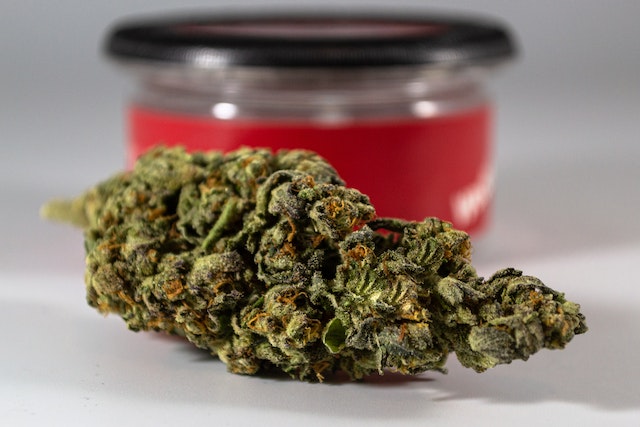
Low-THC, High-Terpene Cannabis
Why low-THC, high-terpene strains are becoming the new favorite among cannabis connoisseurs
For a long time, the cannabis world revolved almost entirely around one thing: THC percentage. The higher, the better, or so the thinking went. Coffeeshop menus were filled with strains exceeding 20% THC, and many consumers simply chose the strongest option available.
But in recent years, a clear shift has emerged: more and more connoisseurs are deliberately seeking out low-THC, high-terpene cannabis.
This new generation of users no longer focuses on raw power, but on flavor, balance, nuance, and a more complete experience. And this isn’t a hype, it’s a fully developed trend with solid reasons, both in terms of user experience and product quality.
What exactly are low-THC, high-terpene strains?
Low-THC strains are generally defined as varieties containing less than 10–12% THC, where the emphasis is not on psychoactivity but on flavor, aroma, and effect profile.
High-terpene doesn’t refer to one specific number, but to strains that are exceptionally expressive in their terpene profile. Think of:
- limonene
- myrcene
- linalool
- pinene
- caryophyllene
- terpinolene
These aromatic compounds largely determine how cannabis smells, tastes, and—most importantly, how it feels.
Why has the focus shifted to terpenes?
The reputation of THC as the ultimate quality benchmark has gradually changed. That’s because more and more users realize that:
THC = intensity
but
terpenes = character, experience, and nuance
THC delivers the psychoactive effects, but terpenes shape how those effects are experienced. This means that two strains with the exact same THC percentage can feel completely different purely because of their terpene profiles.
High-terpene strains are all about:
- richer flavors
- more complex aromas
- subtler effects
- less risk of overwhelming highs
- greater control over the experience
That’s exactly what appeals to connoisseurs who view cannabis as a culinary experience, not just a way to “get high.”
The rise of connoisseur culture
Just like with coffee, wine, and craft beer, cannabis is seeing a growing group of users who care deeply about:
- flavor layers
- aroma profiles
- extraction methods
- curing techniques
- cultivation practices
They don’t want a fast, heavy effect—they want quality, refinement, and craftsmanship.
High-terpene strains offer exactly that: recognizable aromas, unique combinations, and distinctive effects that go far beyond the classic “Indica vs. Sativa” narrative.
For this group, cannabis isn’t about more—it’s about better.
Users are choosing balance and control
Where “as strong as possible” used to be the norm, more users now prefer a milder, more controlled high. This shift is driven by several factors:
1. Overstimulation from extremely high THC levels
Many modern strains are so potent that both beginners and experienced users can unintentionally overdo it.
2. Low-THC cannabis offers greater clarity
Users report:
- less paranoia
- fewer intrusive thoughts
- reduced physical tension
- more mental clarity and functionality
- a pleasant, social vibe
3. Ideal for microdosing and everyday relaxation
Low-THC, high-terpene strains are perfect for small amounts, delivering subtle but noticeable effects.
The role of the entourage effect
The entourage effect refers to the idea that cannabinoids and terpenes work together, enhancing or modulating one another. You never experience THC in isolation—what you feel is the combined effect of multiple compounds.
With low-THC strains, this becomes especially interesting:
When THC plays a softer role, terpenes come forward more clearly, making their influence on the experience much more noticeable.
Users describe it as:
- a gentler high
- richer in sensations
- more emotional nuance
- a more natural “flow”
Instead of an explosion, it’s a layered experience.
Greater focus on flavor and aroma
Flavor and scent become a central part of the experience, not just a prelude to the effect. Additionally:
- well-cured, terpene-rich cannabis tastes smoother
- the smoke feels more pleasant
- aroma complexity increases
Some strains smell fruity and tropical, others spicy, floral, or earthy. That diversity makes the experience richer, even at lower THC levels.
Perfect for social settings
In groups, at home, in a coffeeshop, or during creative activities, high-THC strains can often be too intense. They may:
- make users quiet
- turn them inward
- or feel overwhelming
Low-THC, high-terpene strains, on the other hand:
- keep conversations flowing
- stimulate creativity
- support a relaxed, social atmosphere
- and prevent going “too far”
For many customers, that’s exactly what they’re looking for.
Why this trend benefits the cannabis community
The shift toward terpenes strengthens the market in several ways:
✔ Responsible consumption
Less emphasis on THC reduces the risk of overconsumption.
✔ Higher product quality
Growers are encouraged to improve curing, drying, and aroma preservation.
✔ More diverse menus
Instead of only “the strongest,” there’s room for complex, subtle strains.
✔ Education and appreciation
Users gain more knowledge, respect, and interest in the plant as a whole.
How to choose a good low-THC, high-terpene strain
Pay attention to:
- aroma (strong, fresh, recognizable)
- curing (well-cured = more flavor)
- moisture level (not too dry, not too moist)
- freshness
- the terpene profile that appeals to you
Many connoisseurs smell first, then decide.
Want to experience high-terpene cannabis yourself? Visit The Border
Curious about low-THC, high-terpene strains? Want to discover how rich, smooth, and refined cannabis can taste? At The Border, you’ll regularly find strains that perfectly match this growing trend, carefully selected for:
- terpene profile
- flavor
- aroma
- balance
- and curing quality
Our budtenders are happy to help you find a strain that suits your preferences: fruity, spicy, fresh, earthy, floral, or tropical.
Visit The Border and discover for yourself why more and more connoisseurs are choosing low-THC, high-terpene cannabis.