


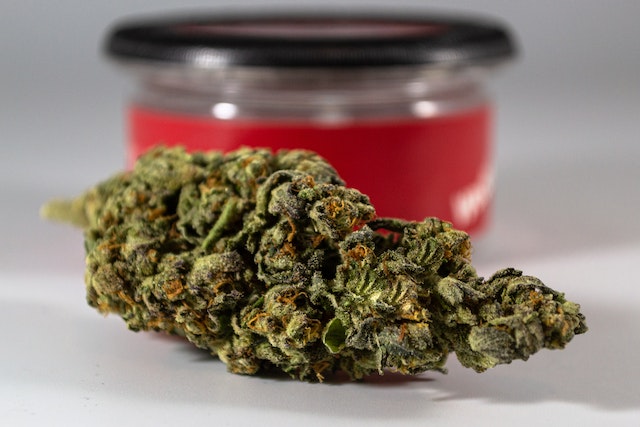
CBD versus THC: What Is the Difference?
Cannabis has been a versatile plant for centuries, with a wide range of uses—from recreational consumption to medical treatments. The main active compounds in cannabis are CBD (cannabidiol) and THC (tetrahydrocannabinol). Although these two substances come from the same plant, they differ significantly in their effects, applications, and legal status. In this blog, we take a closer look at the differences between CBD and THC, so you can make an informed choice.
What Are CBD and THC?
CBD: Cannabidiol
CBD is one of the many cannabinoids found in the cannabis plant. It is best known for its therapeutic properties without the psychoactive effects often associated with cannabis. CBD is usually derived from hemp plants, a variety of cannabis that naturally contains very low levels of THC.
Characteristics of CBD:
- Non-psychoactive (it does not make you “high”)
- May help with anxiety, stress, and pain relief
- Commonly used in oils, capsules, creams, and edible products
THC: Tetrahydrocannabinol
THC is the psychoactive compound in cannabis responsible for the “high” feeling. It is mainly found in recreational cannabis strains and is popular for its relaxing and euphoric effects.
Characteristics of THC:
- Psychoactive (you experience a “high” or “stoned” feeling)
- May help with pain relief, insomnia, and loss of appetite
- Commonly used in joints, vaporizers, edibles, and tinctures
CBD vs THC: How Do They Work in the Body?
Both CBD and THC interact with the body’s endocannabinoid system (ECS). This system plays a crucial role in regulating functions such as pain, mood, sleep, and appetite.
THC and CB1 Receptors
THC binds directly to CB1 receptors in the brain, leading to well-known psychoactive effects such as euphoria, relaxation, or increased creativity. This explains why THC is popular for recreational use.
CBD and Indirect Interaction
CBD works differently. It does not bind directly to CB1 or CB2 receptors but instead modulates the activity of these cannabinoid receptors. As a result, CBD does not cause psychoactive effects, but it can enhance the benefits of the endocannabinoid system, such as reducing inflammation and anxiety.
The Main Differences Between CBD and THC
1. Psychoactive Effects
- CBD: Non-psychoactive. You can use CBD without affecting your cognitive functions.
- THC: Psychoactive. Using THC can lead to a “high” or “stoned” feeling.
2. Legal Status
- CBD: Legal in many countries, provided it is derived from hemp and contains less than 0.3% THC.
- THC: More strictly regulated and illegal in many countries, unless used for medical purposes.
3. Medical Applications
- CBD: Often used for conditions such as anxiety, epilepsy (for example, Dravet syndrome), and chronic pain.
- THC: Effective for pain relief, nausea (such as during chemotherapy), and appetite stimulation.
4. Side Effects
- CBD: Generally well tolerated. Possible side effects include fatigue, diarrhea, or changes in appetite.
- THC: May cause paranoia, anxiety, dry mouth, red eyes, and reduced reaction time.
Common Uses of CBD and THC
CBD Uses
- Anxiety and stress: Helps calm the mind without being addictive
- Pain relief: Reduces inflammation and chronic pain
- Sleep disorders: Supports a natural sleep cycle
- Skin conditions: Used in creams to treat acne and eczema
THC Uses
- Chronic pain: Helps with serious conditions such as arthritis or multiple sclerosis
- Appetite stimulation: Effective for appetite loss caused by illnesses like cancer or HIV
- Insomnia: Promotes relaxation and sleep
- Nausea: Reduces nausea and vomiting, especially after chemotherapy
Can You Combine CBD and THC?
Yes! CBD and THC can work together in what is known as the entourage effect. This means the two compounds can enhance each other’s effects when used together. For example:
- CBD can reduce the psychoactive side effects of THC, such as paranoia
- THC can increase the effectiveness of CBD for pain relief
Many medical cannabis products contain both CBD and THC in specific ratios to maximize the benefits of both.
Legal and Social Considerations
The legality of CBD and THC varies greatly by country and even by region. In the Netherlands, the use of THC is permitted in coffeeshops in the form of cannabis products, but THC concentrates such as oils are not legally sold. CBD products are freely available, provided they contain less than 0.2% THC. Always check local laws before purchasing or using CBD or THC products.
What’s Right for You?
The choice between CBD and THC depends on your needs, lifestyle, and the legal restrictions in your region:
- Choose CBD if you are looking for relaxation, pain relief, or help with anxiety without psychoactive effects.
- Choose THC if you are looking for strong pain relief, sleep support, or recreational relaxation.
Are you curious about the different products from The Border? Visit our coffeeshop or get in touch for personal advice. Our experts are happy to help!